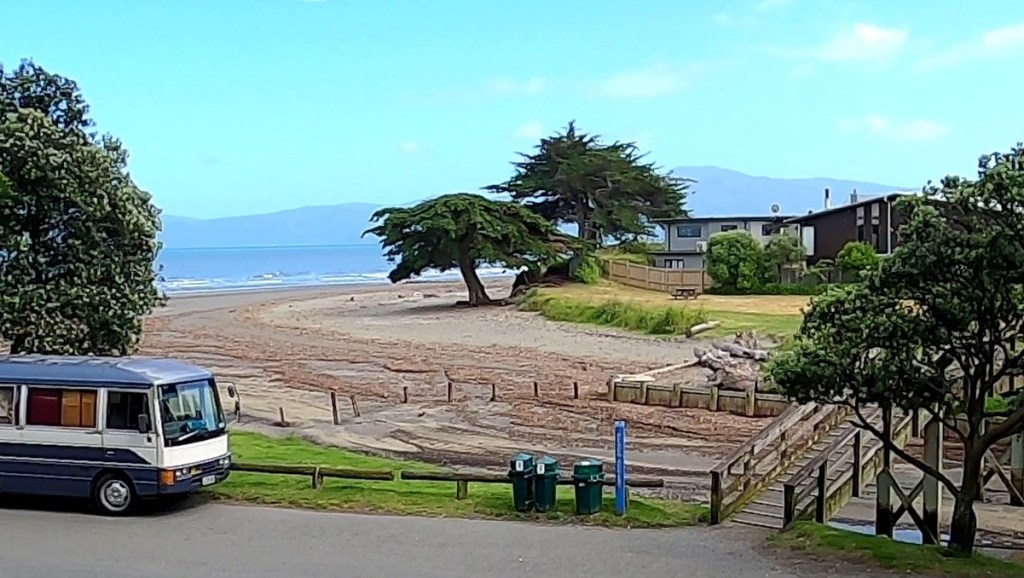
By definition an arboretum is a specific place where trees of the world or of a specific country are collected for public viewing. Adding local seems to complicate that understanding. There is good reason for it though: the premise here is that even a single tree, looked at in-situ, can open up the same interests of those who run a ‘proper’ arboretum. Or, more to the point, it opens up questions about the very factors that get the everyday public to visit an arboretum. Presumably, they enjoy what they see there and also learn something in the process. That learning is probably not explicity botanical in nature. It is more likely to be quite pragmatic, focused on questions like: ‘I wonder where that tree comes from?’; ‘I wonder when that was planted?; ”How did that tree survive there, and why did it grow that way?’ Of course, for those without the requisite knowledge, there is also the basic question ‘What kind of tree is that?’

A professional arboretum will usually provide identification labels to help the public with this key question. But unlike foreign films the vast majority of trees in the local arboretum don’t come with labels (sub-titles) attached (the phrase is borrowed from David Silverman). These days it is not difficult to access internet resources that will help identify a tree, but this blog is not primarily geared towards botanical identification. Nor, is it a kind of ‘the world needs more trees’ declaration (we all know that).
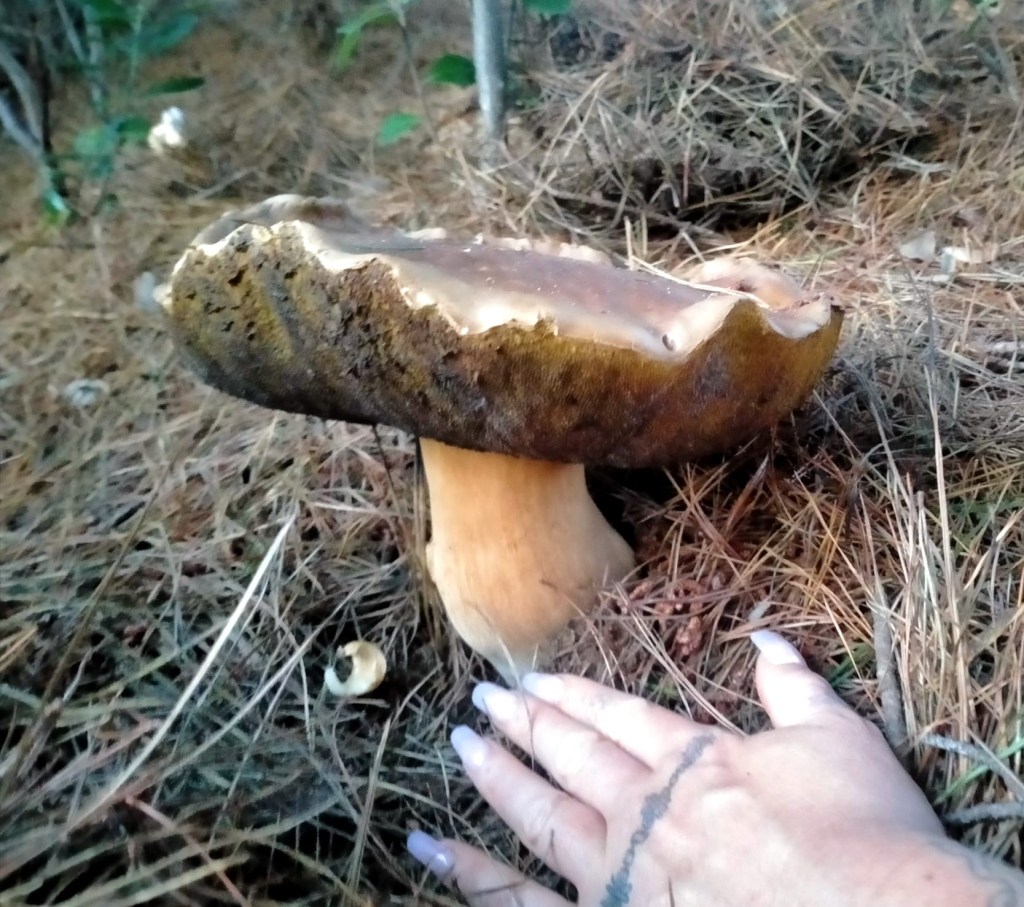
There are plenty of books that describe and provide illustrations of champion or monumental trees. Of course, such trees are notable and are worthy of our attention, but the intent in the entries that follow is to centre more on the variation in trees that make up ‘noticeability’. It is sometimes a tree struggling to survive, rather than one that is visibly amongst the tallest, that is noticeable. Or, a tree that sometimes just looks ‘natural’ in the place where we see it that somehow gains our attention. Both the tree and the immediate surroundings go together to produce a more-than-the-sum-of-parts effect. Noticeability also involves attention to detail, and a comparative aspect. When looking from a distance at a pine forest, you are not likely to pay much attention to individual trees, but if you then start walking within the forest and discover a cluster of porcini mushrooms beneath one particular pine, your attention will be sharpened (if you like mushrooms). Some idiosyncratic feature of the porcini-hosting pine will be what you look for, so hopefully you can return another day to find more porcini.
Probably though when we are in the local arboretum a more prosaic matter of detail of the kind, ‘I really like that tree, I wonder if it would grow at home’, is more pressing. This slightly abstract beginning will be fleshed out with progress on varied entries. Looking at specifics should help. For example, the photo below was taken in the Timaru Botanic Gardens. Whereas it is not an arboretum as such, the neat insertion of a phrase from Shakespeare below the simple label ‘oak’ nicely shows some features of the local arboretum. Of course, botanists might be alarmed and call for the insertion of Quercus robur, but sometimes a common name and a little bit of Shakespeare carries the day.


 The Local Arboretum: Noticeable trees and their stories